





As an incubator for new ideas and collaborations, our center supports programs that foster community engagement, co-design of practices, tools, and technologies with communities, schools, and families, and learning opportunities such as practice-based or research experiences for students.
Learning Studio
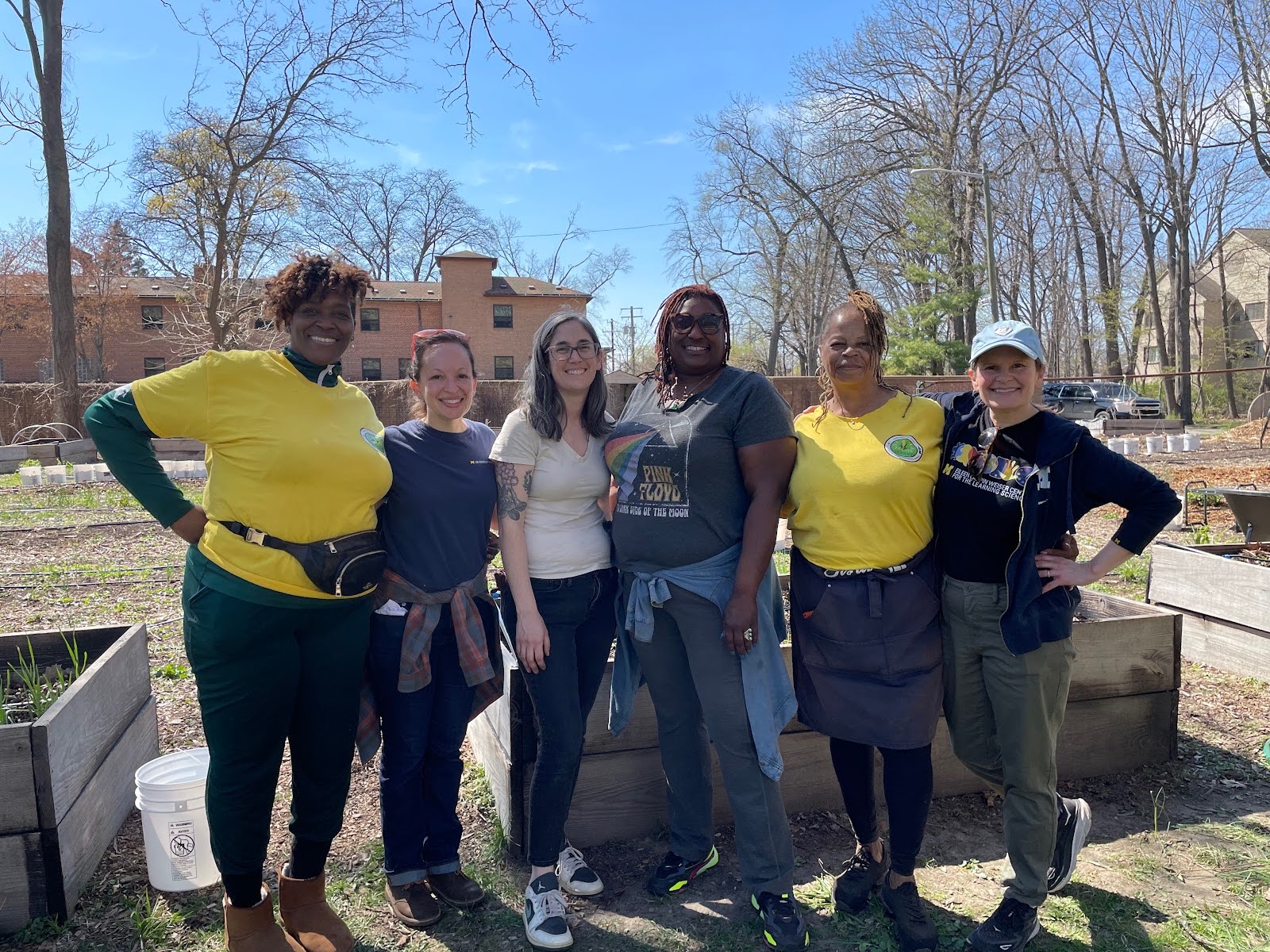
The Learning Studio program facilitates time-limited, collaborative projects between Center researchers and community organizations. It is not a traditional grant program, but a collaborative effort with community partners, rooted in reciprocity and a broad view of learning (including formal, informal, and real-world experiences).
Learning Studio Projects:
- Align with the Center’s mission
- Prioritize reciprocal, relationship-based collaboration
- Address community partner needs and develop shared goals
- Advance equity, inclusion, and justice in learning
- Support sustainability for people and organizations
- Result in a meaningful, tangible deliverable for the partner (e.g. curriculum, tool, evaluation, report)
- Typically last one year or less
Learning Studio Projects are primarily led by steering committee members, however, community organizations or U-M faculty without current connections to the Center may submit an inquiry by email to [email protected]. Proposals are typically considered in spring (March 31 deadline) for projects that begin in summer or fall.
Learning Sciences Student Fellowship Program
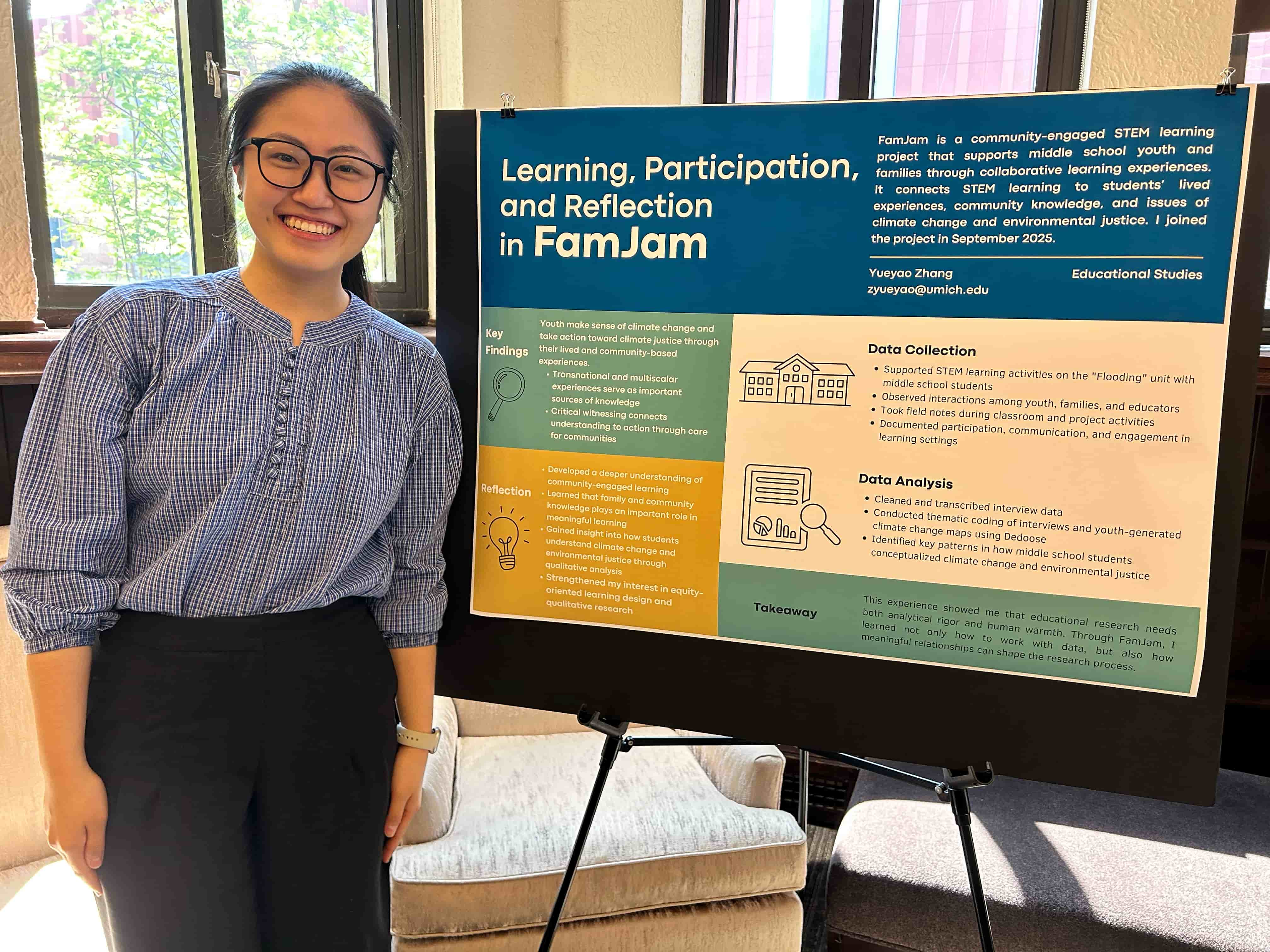
The Learning Sciences Student Fellowship Program connects students with the Center for the Learning Sciences, fostering community through learning, professional development, and research integration. The program provides fellows with hands-on research or practical experiences and facilitates growth in the learning sciences.
- Student fellows are matched with a faculty project and appointed for one semester or academic year, with options to extend into the spring/summer.
- Open to undergraduate, master’s, and doctoral students, with preference for Marsal students.
- Research Engagement: Up to 5 hours/week on center-supported projects with faculty guidance.
- Additional activities include: Orientation, Bi-semester Learning Sciences Lunch Hours for community and skill-building, and an End of Year Showcase & Celebration
- Fellows may earn either academic credit or an honorarium, and are eligible to apply for funds to support conference travel or additional training related to their work with the center.
Opportunities are announced throughout the year. Sign up for our email list to be notified of student opportunities. Questions can be directed to [email protected].
Learning Levers
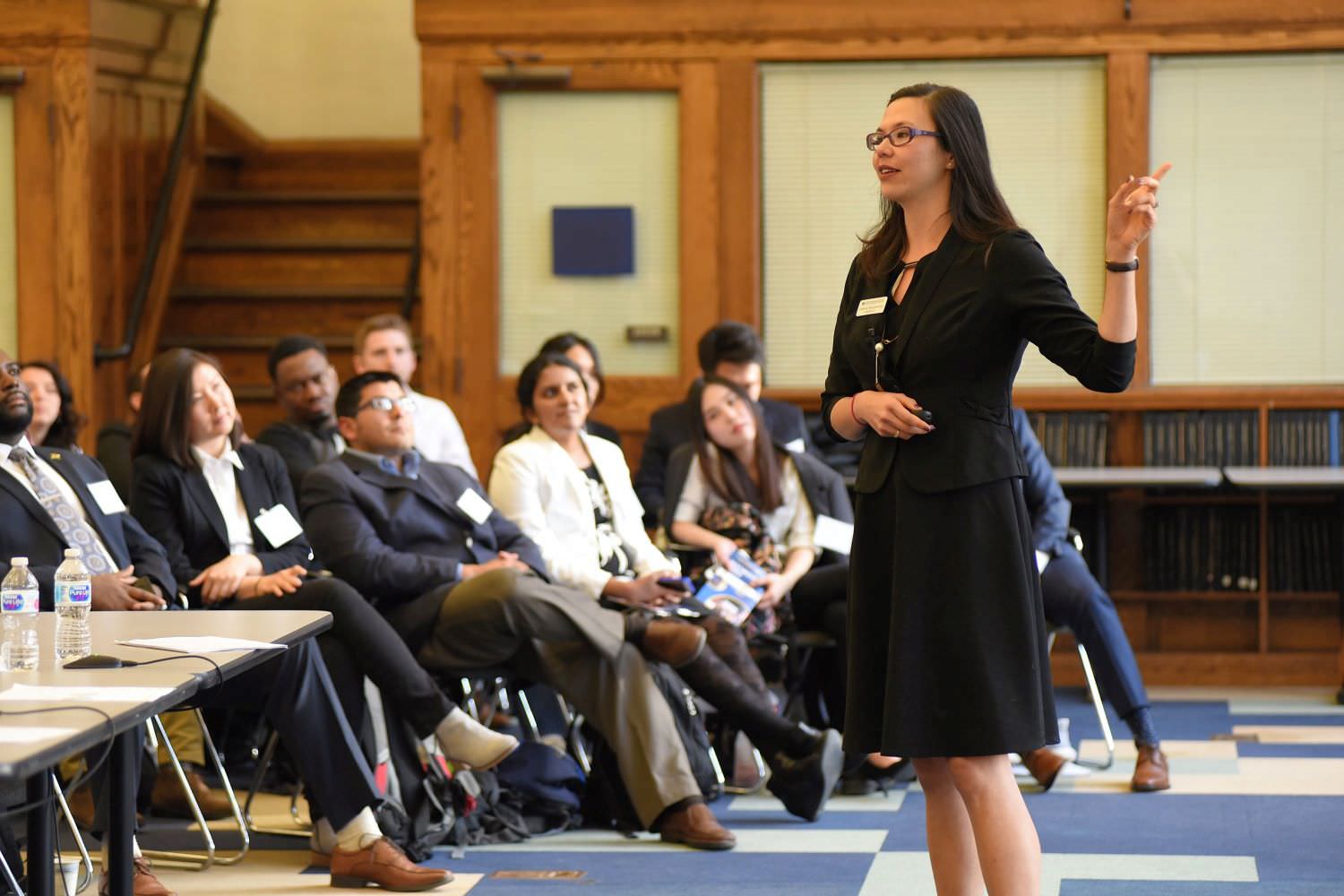
The James A. Kelly Learning Lever Prize Program is run collaboratively between the Center for the Learning Sciences and the Center for Education Design, Evaluation, and Research (CEDER).
The competition is designed to challenge University of Michigan students to invent digital tools with the potential to significantly improve student learning. This prize encourages a culture of innovation in education, and rewards the creative, interdisciplinary work of University of Michigan students.
Connect with us
ADDRESS
University of Michigan – Marsal Family School of Education
Eileen Lappin Weiser Center for the Learning Sciences
610 East University Ave, Suite 1323
Ann Arbor, MI 48109