



Learning, Equity, and Problem Solving for the Public Good (LEAPS)

Learn. Connect. Lead. Make an Impact.
What if your college education didn't just prepare you for a career, but also prepared you to help solve the challenges facing communities, organizations, and society?
The innovative and one-of-a-kind Learning, Equity, and Problem Solving for the Public Good (LEAPS) bachelor's degree is for students who want to become effective leaders—leaders who bring people together, understand complex problems, and turn ideas into action.
LEAPS combines the academic resources of the University of Michigan with the people, places, and possibilities of Detroit. You'll live and learn with your classmates, engage with communities, work on real-world projects, and build an individualized path toward the future you want.
LEAPS Framework
Careers
LEAPS builds the skills that remain valuable even as technology, industries, and job titles change: adaptability, problem-solving, communication, collaboration, and leadership. Students in LEAPS prepare to identify problems, understand the people and systems behind them, and create solutions that matter. They learn to think critically, navigate complexity, work across disciplines, and turn ideas into action.
LEAPS graduates are ready not only to step into the jobs that exist today, but to help shape what comes next. They’ll have the experience and mindset to move between fields, respond to emerging challenges and, in some cases, create the jobs and opportunities that the future demands.
Curriculum
-
Forum, 5 credits
Students complete the following courses:
- EDUC 101 – Lower Division Forum (1 credit) (Taken Fall and Winter Semester in Year 1, and Winter Semester in Year 2)
- EDUC 322 – Upper Division Forum (1 credit) (Taken Winter Semester Year 3, and Winter Semester in Year 4)
-
General Education, 12 credits
Students complete all of the following courses:
- EDUC 131 – Science in the City (3 credits)
- EDUC 140 – Writing With Detroit (3 credits)
- EDUC 251 – Mathematics and Society (3 credits)
- EDUC 331 – Strategic Communication (3 credits)
-
Core, 26 credits
Students complete the following courses:
- EDUC 100 – Learning Within and Across Settings (3 credits)
- EDUC 107 – Preparing for Engaged Learning I (4 credits)
- EDUC 108 – Preparing for Engaged Learning II (3 credits)
- EDUC 130 – The City as Identity (3 credits)
- EDUC 202 – Design as Community Inquiry (3 credits)
- EDUC 203 – Inquiry, Partnership, and Research (3 credits)
- EDUC 481 – Education for Empowerment Capstone I (3 credits)
- EDUC 482 – Education for Empowerment Capstone II (4 credits)
-
Research & Engagement, 12-16 credits
Students complete the following courses:
- EDUC 207 – Lower Division Community-Engaged Learning Internship - degree requires 4 credits, maximum of 8 (variable credit 2-8)
- EEDUC 393 Upper Division Community-Engaged Learning Internship - degree requires 8 credits, maximum of 8 (variable credit 2-8)
-
Concentration, 24 credits
Students complete concentration-related courses.
-
Elective, 32-38 credits
Students complete a minimum of 32 elective credits.
NOTE: Students pursuing teaching certification must choose electives that meet state requirements for different teaching areas and levels. These students should work closely with an academic advisor to select appropriate elective courses each term.
Course offerings and requirements are subject to change. Plan your credits and course selections with an advisor.
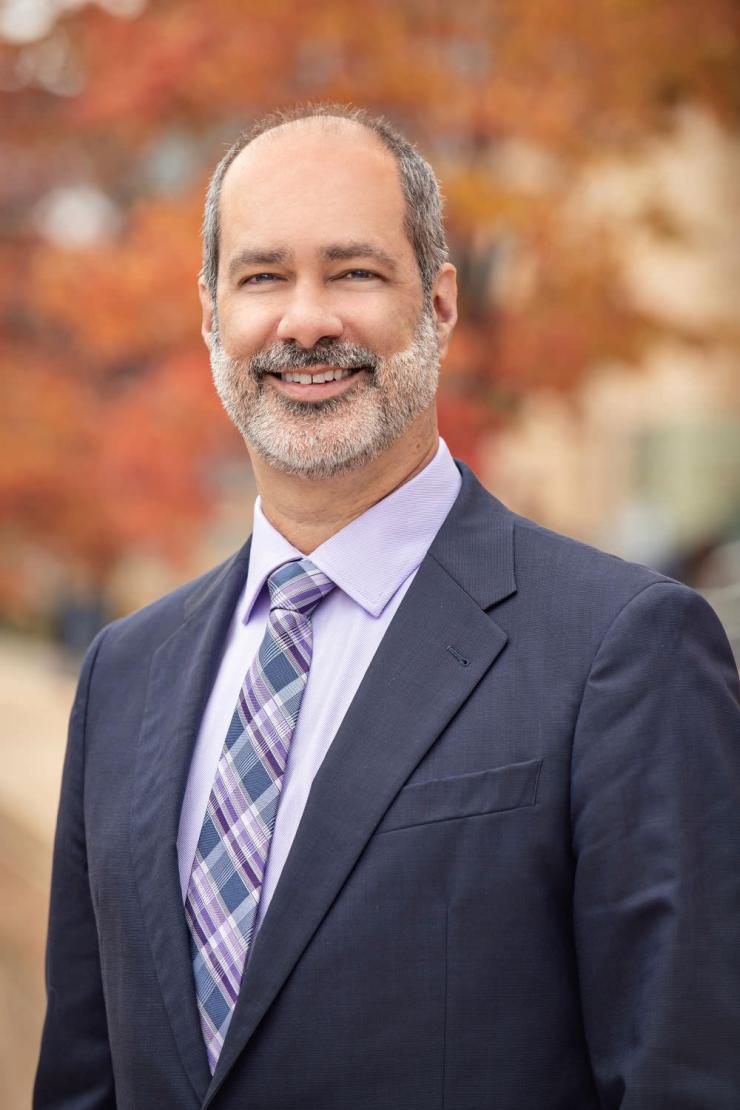
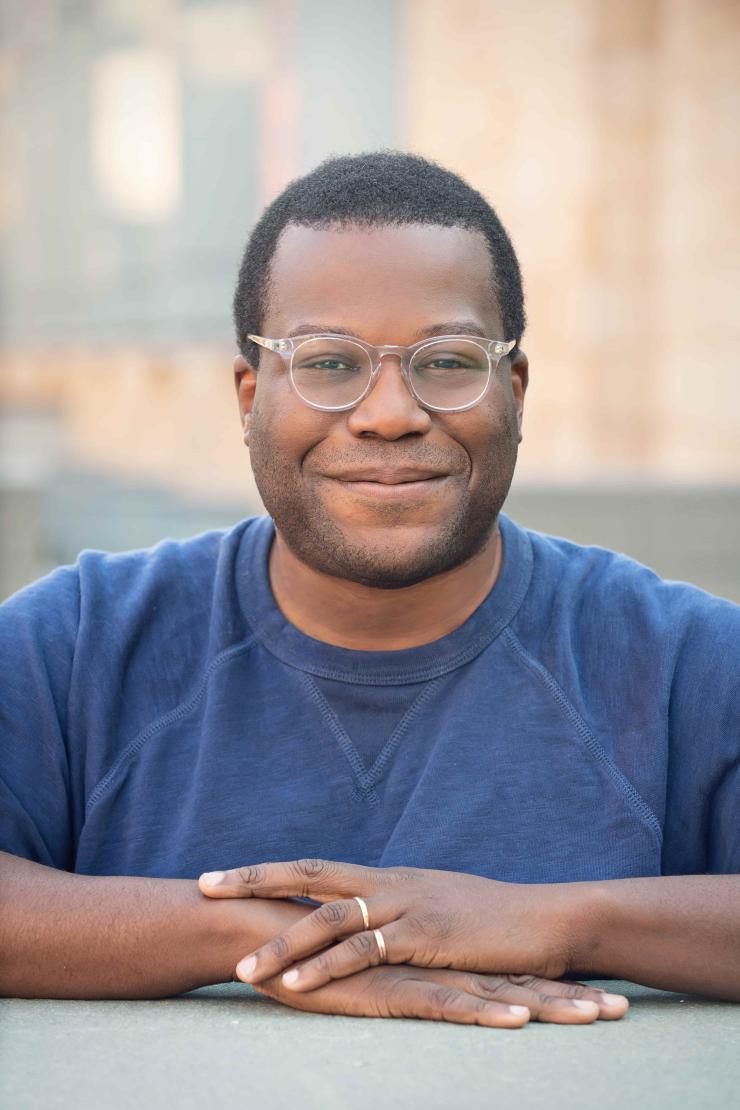
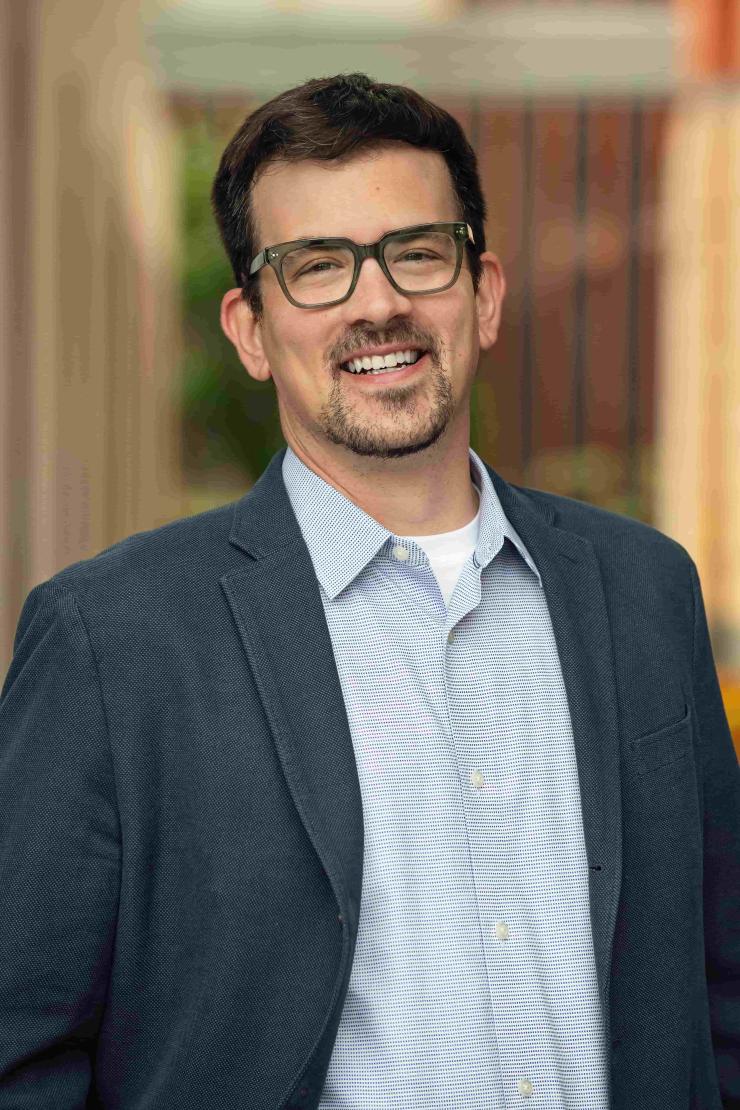
Faculty


Apply
- Deadline November 1
-
Early ActionEarly Decision
First-year admission only
- Deadline February 1
-
Regular Decision
-
Prepare application materials
- Gather the materials outlined in the application checklist
-
Apply online
- Complete the Common Application for First-Year Students and select Learning, Equity, and Problem Solving for the Public Good (LEAPS) as your program of study
- Visit First-year Application Plans to view your admission options (Early Action, Early Decision, or Regular Decision)
-
Submit Video Interview