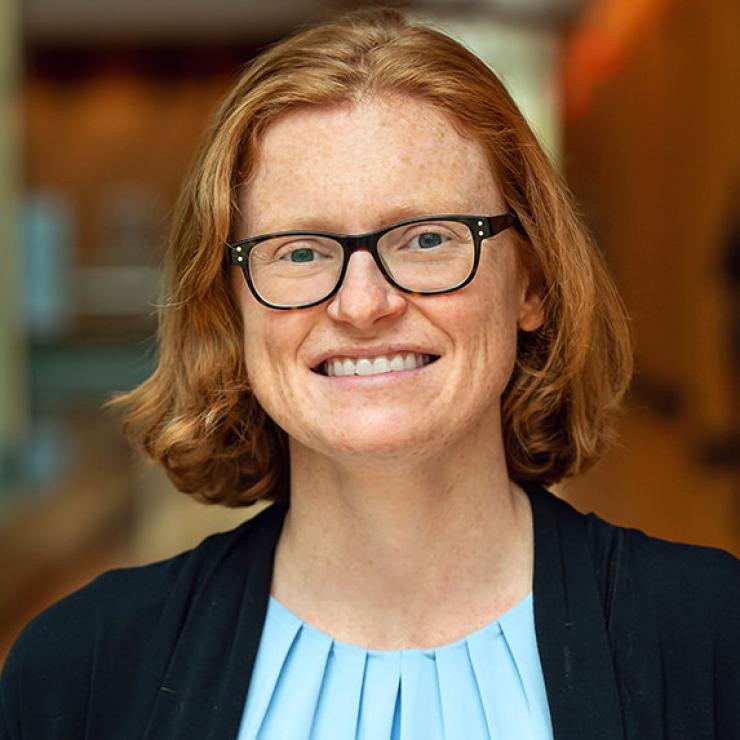



Christina Weiland tells Bridge Michigan that sustainable wages are a must to make universal pre-K a reality
A new program from the Michigan Educator Workforce Initiative aims to pay current child care and pre-K workers to get a college degree and coaching to ultimately earn higher wages.

Bridge Michigan reports that expanding the availability of early childhood education has been a key initiative of Governor Gretchen Whitmer's agenda. However, efforts like offering free pre-K face a central problem: attracting and retaining child care workers.
Now, the Michigan Educator Workforce Initiative (MEWI) hopes to expand its MiEarly Apprentice program, which it piloted last year in Wayne, Montcalm, Marquette and Alger counties. The program pays current child care and pre-K workers as they work toward earning a child development associate (CDA) credential, an associate degree or bachelor’s degree, and lead teacher certification. The program also provides stipends for participants, reports Bridge Michigan.
Professor of Education Christina Weiland says low wages are among the greatest barriers states face in making universal pre-K a reality. In addition to earning a sustainable wage, she tells Bridge Michigan that more public awareness about the Great Start Readiness Program and the implementation of high-quality curricula are also necessary.